Dress Code: Undefined — A Style Guide for the 'What Even Is This' Stage of Dating
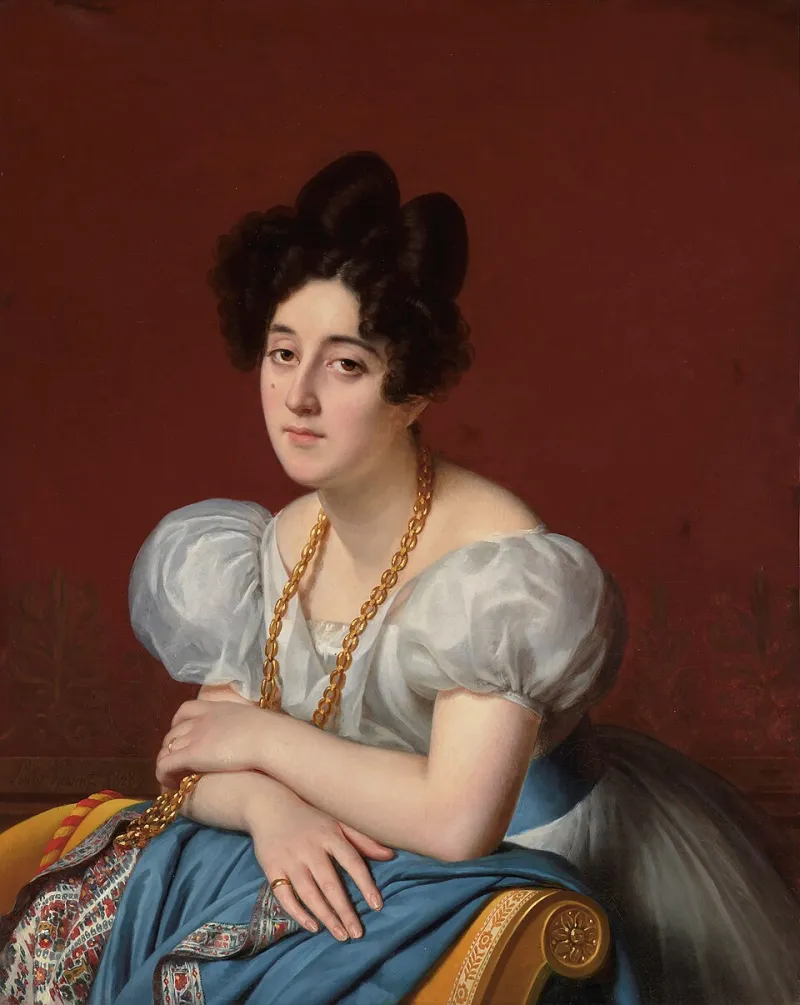
Photo: Louise Hersent, Public domain, via Wikimedia Commons
Dress Code: Undefined — A Style Guide for the 'What Even Is This' Stage of Dating
Congratulations. You have been invited to something.
Not a date — nobody said date. It was described, via text, as 'hanging out,' 'grabbing drinks,' or possibly just a string of logistics ('I know this place on Clement Street, you free Saturday?') with no emotional framing whatsoever, because emotional framing is apparently now considered a vulnerability and we are all doing our best out here.
You are interested in this person. You believe they may be interested in you. The evidence is inconclusive. The situation is unclassified. And somewhere in the next eighteen hours, you need to put together an outfit that communicates — precisely and without appearing to communicate anything at all — that you are attractive, relaxed, stylish, and completely unbothered by the ambiguity of this encounter.
Welcome to the situationship outfit. Population: everyone currently staring at their closet with the lights on at 7 PM.
The Brief (Which Is Impossible)
Let's be honest about what you're actually being asked to do here, because the fashion brief for the undefined romantic situation is genuinely, objectively, structurally contradictory.
You need to look good — but not like you tried to look good, because trying implies caring, and caring implies investment, and investment implies expectation, and expectation is the fastest way to make an ambiguous situation feel pressurized. So the effort must be invisible. The intention must be undetectable. You must arrive looking as though you simply fell out of bed and landed, coincidentally, in a great outfit.
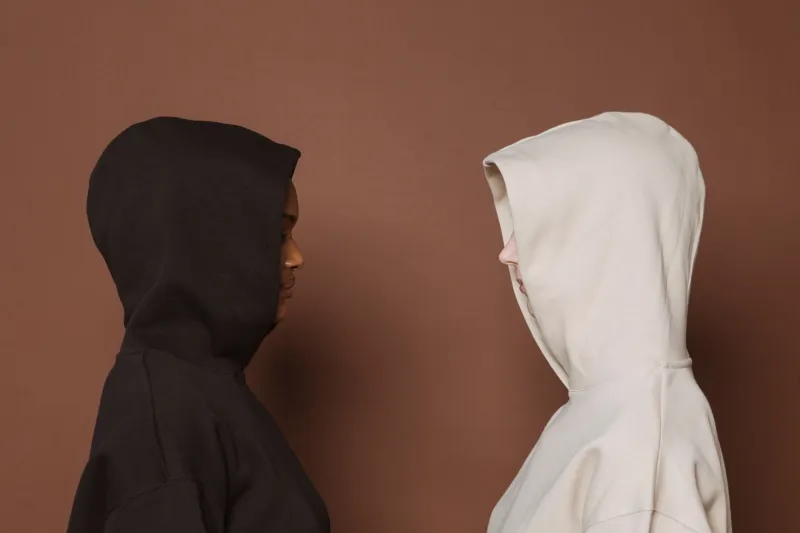
You also need to look intentional — because showing up in a genuine 'I didn't try' outfit (we're talking the hoodie, the worn-out sneakers, the jeans that are comfortable rather than flattering) sends a different message, which is that you do not consider this worth dressing for, which might be accurate to the ambiguity of the situation but is not the vibe you're going for.
You must look casual but not sloppy. Attractive but not like you spent time on it. Yourself but a slightly better, more composed version of yourself that you could plausibly maintain indefinitely. The look should say 'I always look like this' while also saying 'I am aware that I look good right now,' which are two things that cannot simultaneously be true but must both be communicated.
Black-tie optional, by comparison, is a gift. At least it has parameters.
The Core Problem with 'Just Being Yourself'
Every piece of dating advice ever dispensed by every magazine, podcast, therapist, and well-meaning friend contains the instruction to 'just be yourself.' This is fine advice in theory. In practice, when applied to the closet, 'just be yourself' produces a paralysis spiral that can last up to three hours and involve trying on everything you own.
The problem is that 'yourself' contains multitudes. There is the you that wears oversized hoodies on the couch. There is the you that cleans up for work events. There is the you from that one night two years ago when everything came together perfectly and you felt genuinely, effortlessly cool in a way you have been chasing ever since. Which self are you supposed to be? The authentic self or the aspirational self? The comfortable self or the impressive self?
For the situationship hang, the answer is: the version of yourself that looks like you've been this put-together the whole time, which requires putting together a look that is actually quite considered, while maintaining complete plausible deniability about the consideration.
This is a performance. You are performing casualness. The performance must be flawless.
A Practical Taxonomy of Situationship Outfits
The Elevated Basic: Dark jeans or straight-leg trousers, a clean simple top, one interesting piece — a jacket, a good shoe, a single statement accessory. The formula is reliable because it reads as effortless while being structurally sound. The risk is that it is also what approximately 60% of people default to, which means you will potentially match your situationship person and the resulting photos will look like a catalog shoot for a mid-range denim brand. Not the worst outcome.
The 'I Have a Life' Look: This is the outfit that implies you were already doing something interesting before this and simply continued into the hang without overthinking it. A slightly unexpected layer. Shoes that suggest you walked somewhere with purpose. The overall impression is that your life is full and this is one pleasant component of it, not a high-stakes audition. Extremely effective. Very difficult to pull off without it reading as try-hard in the opposite direction.
The Comfort-Forward Gambit: The intentionally relaxed outfit that is actually good — well-fitted basics, clean sneakers, nothing that requires maintenance or adjustment throughout the night. The advantage is that you will actually be comfortable, which produces a genuine ease that no amount of styling can fake. The disadvantage is that this requires owning basics that are genuinely good, which costs money, and the whole thing looks deceptively simple in a way that nobody will clock unless they know what they're looking at.
The Wildcard: Something slightly unexpected — a color, a texture, a piece that's interesting without being costumey. It creates a natural talking point ('oh, that jacket is cool') and demonstrates personality without a verbal announcement of personality. High risk, high reward. Not recommended if you are already nervous, because the wildcard requires confidence to land and confidence is in short supply when you don't know what the night is.
The Things Nobody Tells You
Here is what the fashion guides to dating outfits consistently omit: the outfit is doing less work than you think it is, and also more work than you think it is, simultaneously, in different ways.
It is doing less work in the sense that the person you're meeting has already formed most of their impression of you before you walk in — from texts, from photos, from whatever mutual context brought you to this hang. The outfit is not the deciding factor. You are not going to be rejected because of the wrong jeans.
It is doing more work in the sense that how you feel in what you're wearing affects how you carry yourself, and how you carry yourself affects everything. The outfit that makes you feel good — genuinely comfortable and put-together in your own skin — produces a confidence that is not faked and cannot be manufactured by the objectively 'better' outfit that you feel slightly wrong in. The best situationship outfit is the one you stop thinking about twenty minutes after you leave the house.
Which means the actual advice, buried under all of this, is frustratingly simple: wear something you already know you feel good in, add one considered element, and then — and this is the hard part — let it go.
You got dressed. You showed up. Whatever this is, it's happening now.
The outfit already did its job.