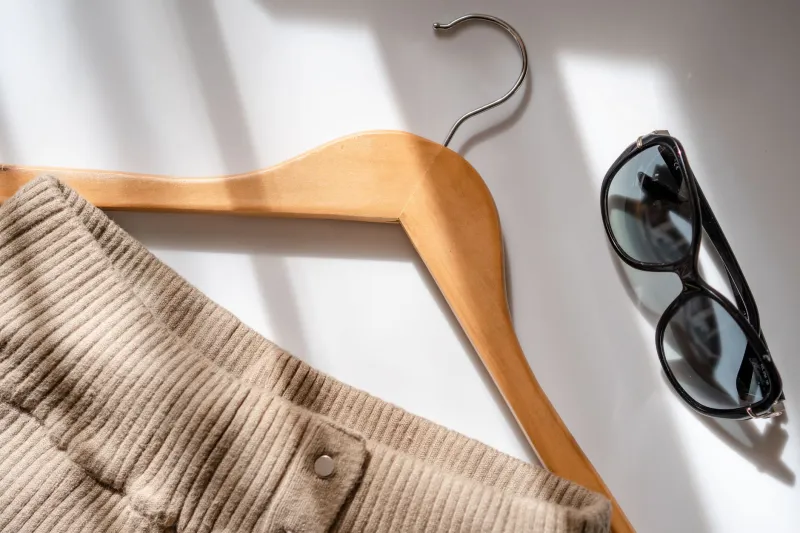
Cold Front, Empty Closet: The Annual Lie You Tell Yourself Every October
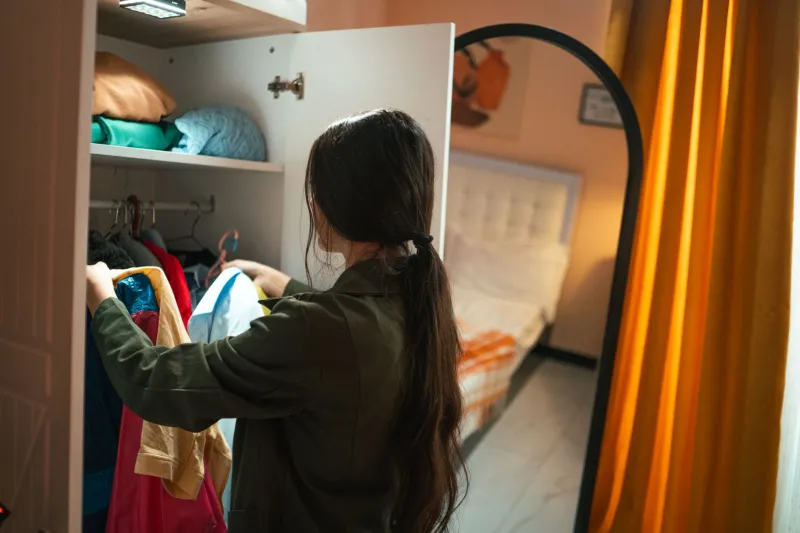
Somewhere in America right now, a person is standing in front of a full closet declaring, with complete sincerity, that they have nothing to wear for fall. They said the same thing last October. They will say it again next October. In between, they will buy a collection of sweaters, wear three of them, pack all of them into a storage bin in April, forget they exist, and repeat the entire process when the first pumpkin spice latte hits the menu.
This is Seasonal Wardrobe Amnesia, and it is one of the most expensive recurring delusions in American consumer culture.
The First Cold Day Is a Fashion Emergency
The mechanism is always the same. You wake up one morning in late September or early October, check the weather app, and discover that the high is 58 degrees. Something shifts in your brain — a switch flips, a file gets deleted — and suddenly the past six months of clothing ownership simply do not exist in your memory.
The long-sleeved shirts? Gone from your consciousness. The denim jacket you wore approximately forty times between March and May? Irrelevant. The cozy sweater that you definitely own and definitely wore last winter and definitely packed into a clearly labeled bin that is definitely in your closet right now? You have no record of this sweater. As far as your brain is concerned, you are a person who owns exclusively tank tops and is completely unprepared for weather.
You open your phone. You go to the app. You begin shopping for fall essentials.
The Psychology of the Seasonal Reset
Fashion brands have understood this phenomenon for decades, which is why the fall collection drops in August and why every retailer in the country begins aggressively marketing "transitional pieces" before most of the country has experienced a single transitional temperature.
But the psychological machinery running underneath this isn't purely manufactured by marketing. There's something genuinely human about the seasonal reset — the desire to match your external presentation to the shifting world around you. Fall doesn't just mean colder temperatures. It means the end of summer, the return of structure, the cultural signal that the casual, expansive energy of warm months is being replaced by something more focused and intentional.
A new season feels like a new chapter. And new chapters, the brain helpfully suggests, probably require new clothes.
This is not entirely irrational. It is, however, extremely convenient for the $400 billion global fashion industry, which has structured its entire retail calendar around your seasonal identity crisis.
The Storage Bin Is a Time Capsule You Refuse to Open
Here is where the amnesia becomes almost impressive in its thoroughness. Most people who engage in seasonal panic-buying are not people who genuinely lack cold-weather clothing. They are people who packed their cold-weather clothing into bins, bags, or the back of a closet in the spring, and have since emotionally moved on.
The storage bin is the physical embodiment of your past self's wardrobe decisions. It contains things you loved, things you forgot about, things you bought last October in a previous seasonal panic, and things that are genuinely still good and will absolutely work for the coming months.
Opening the bin should be exciting. It should feel like receiving a package from yourself. Instead, it feels somehow unsatisfying — like eating leftovers when you wanted to go out. The clothes in the bin are old clothes. They're last year's clothes. They don't carry the psychological charge of something new. They don't represent a fresh start.
So you push the bin back into the closet, close the door, and go buy a new camel-colored cardigan that is, objectively, identical to the one in the bin.
The 'Starting Fresh' Industrial Complex
The phrase "starting fresh" is doing a tremendous amount of heavy lifting in American consumer culture, and nowhere more so than in seasonal wardrobe psychology. There is a deeply embedded cultural belief that new seasons, new years, new months, and new weeks all represent legitimate opportunities to start over — and that starting over requires acquiring new things.
Fall, in particular, has an almost mythological "fresh start" energy in the American cultural imagination. It's back-to-school season even for people who haven't been in school for fifteen years. The air changes. The light changes. Everything feels like it's beginning again, and your brain — which has been marinating in this cultural narrative since kindergarten — interprets this as a wardrobe emergency.
Retailers know this. They've built entire marketing campaigns around it. "Fall into something new." "Your autumn wardrobe starts here." "New season, new you." The messaging is relentless, and it works, because it's speaking directly to a psychological impulse that was already there before the email arrived.
The Spring Sequel Nobody Talks About
The most revealing part of this entire cycle is what happens in March, when you pull the storage bin back out.
Suddenly, the clothes inside are delightful. The linen pants! You forgot about these! The sundress! The lightweight blazer! Look at all of this — you have so many great things. Spring is going to be amazing. You don't need to buy anything. You have everything you need.
You wear the linen pants four times. You pack them back into the bin in October. You forget they exist.
The cycle completes itself with the precision of a Swiss watch and the financial impact of a small car payment.
A Modest Proposal
Before you add anything to your cart this fall, there is a simple, free, and genuinely effective exercise available to you: open the bin.
Actually open it. Take everything out. Put it on hangers. Look at it like you're seeing it for the first time, because in a meaningful psychological sense, you are. Identify what still fits, what still feels good, and what genuinely needs replacing versus what simply feels boring because you've seen it before.
You will probably find that you own more than you remembered. You will probably find one or two things that genuinely do need to be replaced, and you can buy those specific things without buying an entirely new fall wardrobe because the weather app showed you a 58-degree forecast.
You might also find the camel cardigan you bought last October.
It's still good. It was always good. The bin was just doing what bins do — storing things you were temporarily convinced you didn't have.
The cold front was never the emergency. The forgetting was.