Your Halloween Costume Called — It Lives Here Now: The Costume-to-Closet Migration Explained
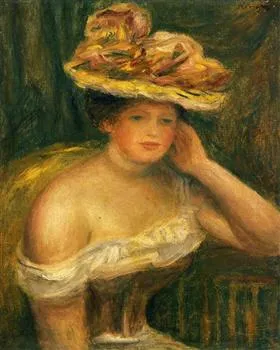
Photo: Pierre-Auguste Renoir, Public domain, via Wikimedia Commons
Let's establish the timeline.
It's late September. You have a Halloween party to attend and a concept to execute. Maybe you're going as a vampire. Maybe it's a 'Y2K pop star.' Maybe you landed on 'dark academia character' after forty-five minutes on Pinterest and a very sincere conversation with yourself about whether you could pull off a cape. You order the pieces. A mesh top. A structured corset. Thigh-high stockings. A lace-trimmed slip skirt. Possibly a small, inexplicable hat.
The costume is a success. You get compliments. You feel, for one evening, like a slightly more dramatic version of yourself, and honestly? You like her.
November arrives. The corset does not go back into the bag. The corset goes into the closet. And then, quietly, inevitably, the corset goes to brunch.
This is the costume-to-closet pipeline. It is real, it is widespread, and it might actually be the most creatively honest thing happening in American style.
The Anatomy of the Migration
The pipeline has a distinct lifecycle, and if you've lived it, you will recognize every stage with uncomfortable precision.
Stage One: The Justified Purchase This is where you tell yourself — and anyone who will listen — that you're being practical. 'It's not just a costume piece,' you explain, examining a corseted bodice under the fluorescent lights of a Spirit Halloween that smells like rubber and mild despair. 'I could totally wear this with jeans.' This is the founding lie of the entire operation. It is also, in many cases, eventually true, which is the most complicated part.
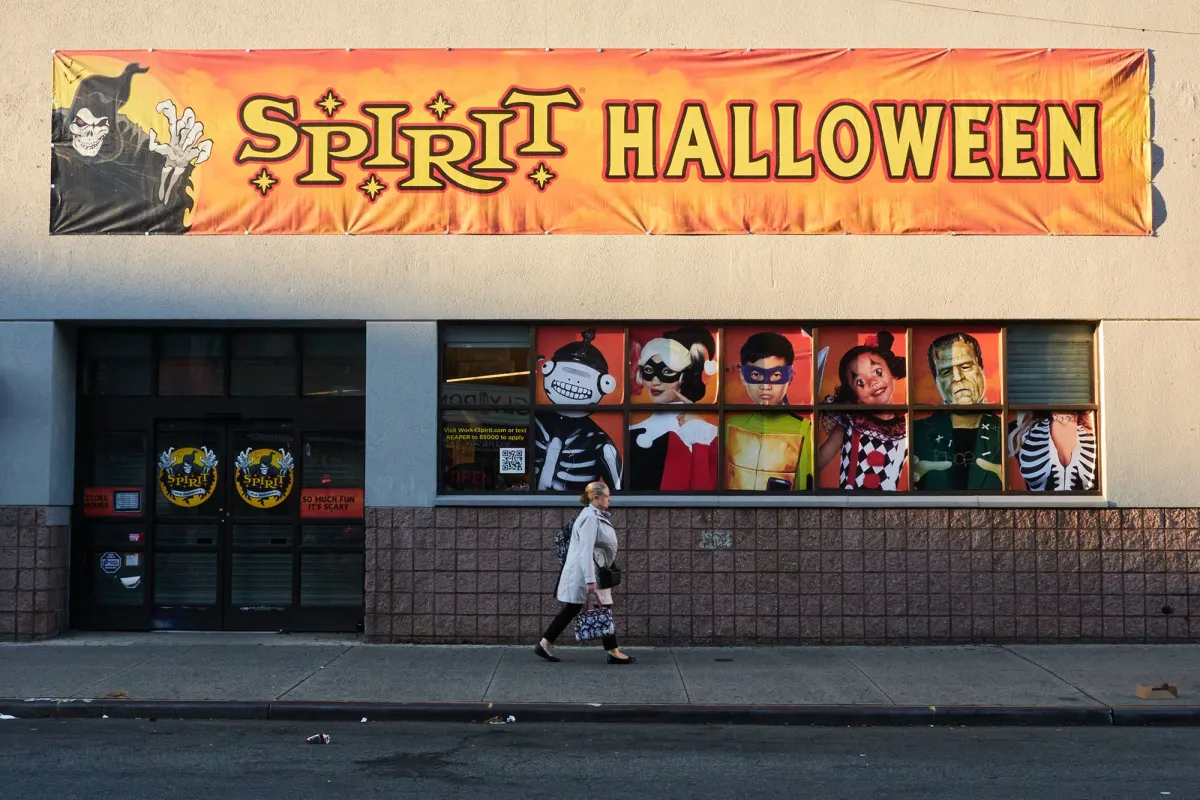 Photo: Spirit Halloween, via cdn.abcotvs.com
Stage Two: The Quarantine Period The costume hangs in a specific section of your closet for approximately two to six weeks after Halloween. It is technically 'costume stuff,' separated from regular clothes by an invisible but meaningful psychic boundary. You know it's there. You glance at it sometimes. You think: not yet.
Stage Three: The Test Run One evening, you are getting dressed for something low-stakes — a friend's birthday dinner, a casual bar night, a situation where experimentation feels permissible. You pull out the mesh top. You layer it under something. You look in the mirror. You think: hm. The hm is everything. The hm is the beginning of the end of the quarantine period.
Stage Four: Full Integration The piece has migrated. It now lives among your regular clothes, no longer categorized as 'costume' in your mental filing system. It has a slot. It has outfit partners. It gets worn to the farmers market, to coffee with your college roommate, to a Sunday brunch situation that the vampire who originally wore it would find baffling and magnificent.
The Hall of Fame: Costume Pieces That Made the Leap
Not every Halloween purchase survives the migration. A full skeleton bodysuit is not making it to your Tuesday lunch plans, and we need to be honest about that. But certain categories have proven remarkably adaptable.
The Corset: The single greatest costume-to-closet success story of the last decade. Started as a vampire/Renaissance fair/dark fairy signifier. Now lives in every fashion person's wardrobe as a 'top' worn over blouses, under blazers, and on top of turtlenecks. Completely normalized. Nobody blinks. Fashion won this one.
The Mesh Top: Began its civilian life as a 'rock star costume' staple. Graduated to being layered under literally everything. Has appeared at Coachella, office holiday parties (bold choice), and approximately forty thousand Instagram posts captioned something about 'texture.'
The Thigh-High Stocking: Made the jump from 'witch costume' to 'actually a really interesting styling choice with a mini skirt' without breaking a sweat. Currently thriving.
The Dramatic Collar: The vampire cape collar, the Elizabethan ruffle, the statement neck situation — these have been absorbed into the 'interesting accessories' category with a confidence that is frankly inspiring. Someone is wearing a dramatic collar to a weekend brunch right now and they look incredible.
The Faux-Fur Anything: Originally: 'I'm a 1970s disco character.' Currently: a coat that gets compliments at the grocery store. The faux-fur migration is one of the smoothest pipelines in recorded history.
The Cultural Logic of It All
Here's what's actually interesting about the costume-to-closet pipeline beyond the obvious humor of it: it reveals something true about how Americans actually develop their personal style.
We are, as a culture, somewhat risk-averse about fashion. The daily outfit comes with social stakes. Wearing something genuinely unusual to the office or the coffee shop requires a kind of confidence that not everyone has in ready supply on a random Wednesday. But a Halloween costume? That's a free pass. The costume is supposed to be dramatic. It's supposed to be a character. You're allowed to try things.
And then — sometimes — you find out that the thing you tried feels like you. More like you, actually, than the safe outfit you've been wearing for three years. The costume was a test run for a version of yourself you hadn't officially greenlit yet.
That's not shallow. That's actually how identity works.
The Audacity, Appreciated
There is something genuinely celebratory about the person who wears a cape collar to Sunday mimosas without apology. They made a decision. They committed. They looked at a piece of fabric that was originally purchased to suggest 'undead aristocrat' and thought: I don't see why this has an expiration date.
Fashion has always worked this way, if you think about it. The 'costume' of one era becomes the wardrobe staple of the next. Corsets. Boots. Dramatic sleeves. Mesh. Every single thing that's now considered a legitimate fashion item was, at some point, considered theatrical, excessive, or a bit much.
So wear the corset to brunch. Integrate the mesh top. Let the thigh-highs live their best civilian life.
The pipeline is open. The migration is complete. The vampire would be proud.