Errand Outfit Energy: The Forensic Case File on America's Most Underrated Fashion Moment
Errand Outfit Energy: The Forensic Case File on America's Most Underrated Fashion Moment
It begins innocuously. You need paper towels. Maybe some dry shampoo. Possibly a birthday card for someone you forgot about until eleven o'clock last night. You are, by all objective measures, running errands. You are not attending a rooftop event. You are not being photographed. There is no occasion.
And yet.
You are standing in front of your mirror at 9:47 on a Saturday morning, reconsidering the tuck on your oversized linen shirt, wondering whether the New Balance 550s or the Sambas complete the look better, and mentally debating whether the canvas tote is giving 'effortless' or 'trying.'
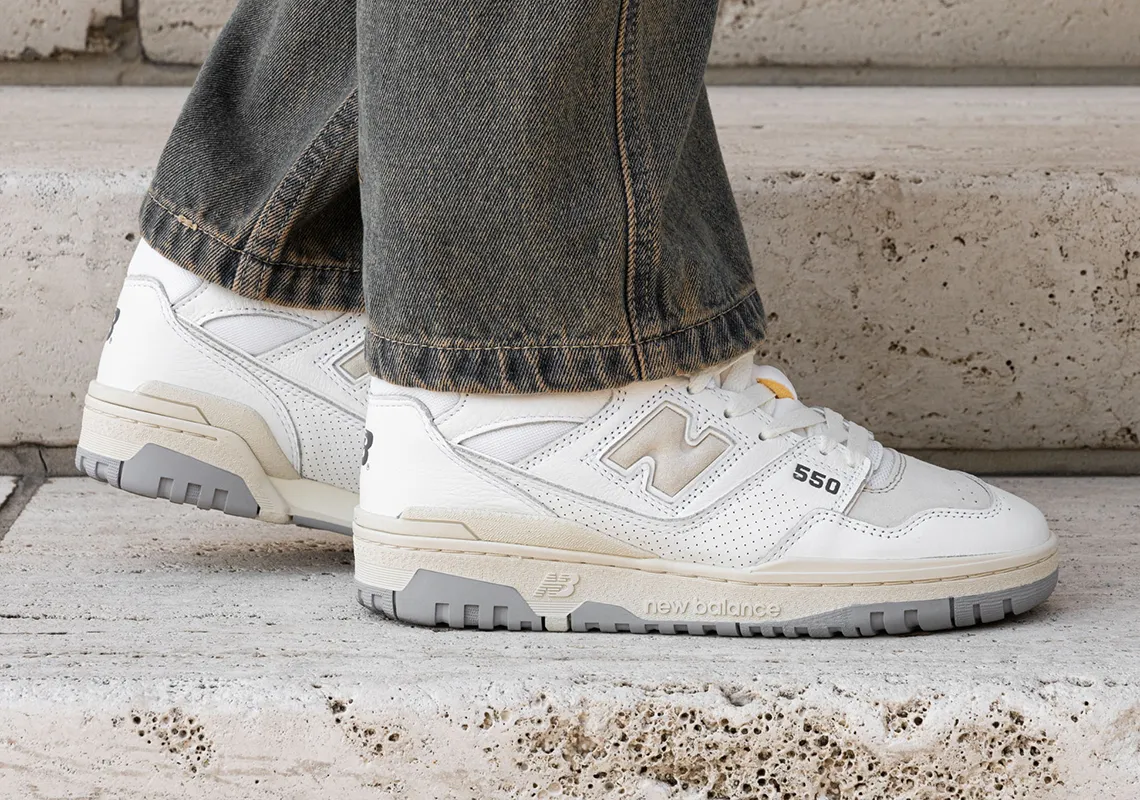 Photo: New Balance 550s, via sneakernews.com
Welcome to the errand outfit — fashion's most elaborate performance of not performing at all.
The Crime Scene: A Trader Joe's Parking Lot, Approximately 10 AM
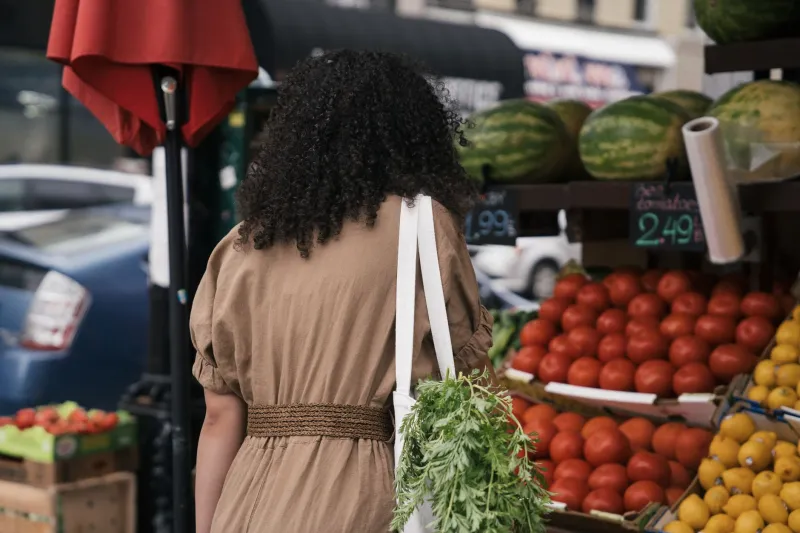
If you want to understand modern American style in its purest, most unfiltered form, forget the runways. Forget the influencer content. Just stand outside a Trader Joe's on a Saturday morning with a coffee and observe. What you will witness is nothing short of a living, breathing fashion taxonomy — a rotating cast of archetypes who have collectively decided that picking up $4 cauliflower gnocchi is a low-key editorial opportunity.
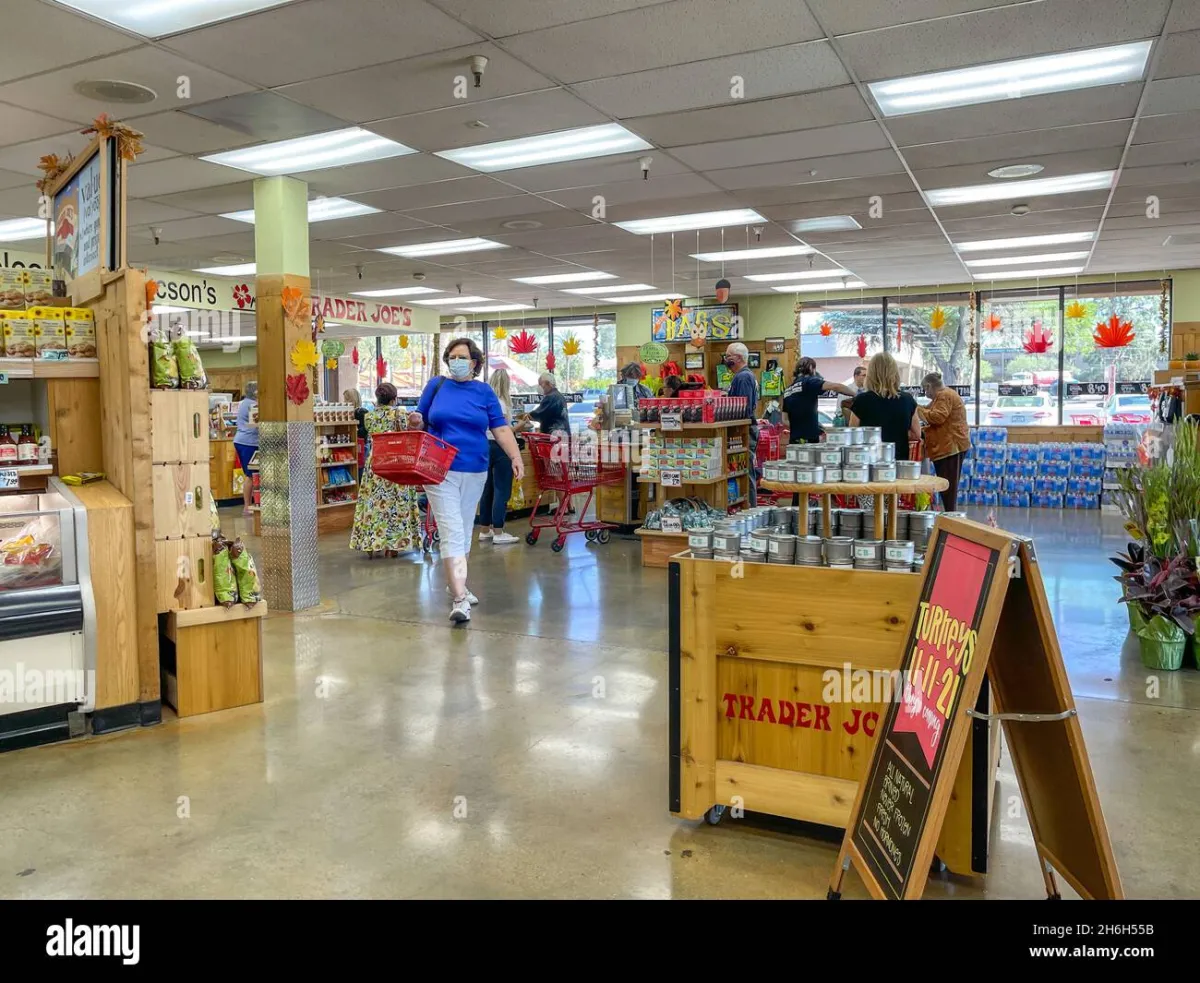 Photo: Trader Joe's, via c8.alamy.com
The errand outfit exists in a very specific cultural space. It's not a going-out look. It's not workwear. It is, theoretically, functional clothing assembled for the mundane task of moving through the world on a weekend. But somewhere along the way — between the rise of street style photography, the mainstreaming of 'GRWM' content, and approximately four years of being stuck inside rethinking everything — the errand outfit evolved into something else entirely. It became a statement. A mood. A whole vibe, as the kids say, even though the kids are now also saying that 'vibe' is over.
The Archetypes: A Field Guide
The Elevated Basics Person This individual has cracked a code the rest of us are still studying. White tee, perfectly fitted. Dark straight-leg jeans with exactly the right break at the ankle. Clean leather sneakers. A single gold chain. Nothing flashy, nothing loud — and somehow, inexplicably, it all looks like it costs a tremendous amount of money. Because it does. That 'simple white tee' is $68 from a brand whose website loads in slow motion because it's very serious about itself. The Elevated Basics Person would like you to know they did not try hard. They are lying through their teeth.
The Athleisure Philosopher Technically dressed for a workout they may or may not be planning. The matching set is immaculate — coordinated in a color that doesn't exist in nature but somehow works completely. The sneakers are spotless. There is a water bottle. There is always a water bottle. The Athleisure Philosopher has achieved something remarkable: they are wearing what is essentially pajamas with architectural ambitions, and they look incredible doing it. We respect the commitment to the bit.
The Accidentally Cool Vintage Person They are wearing a faded band tee for a band they may or may not have actually listened to, Levi's that have been worn into submission over a decade, and a pair of beat-up Converse that somehow look intentional rather than neglected. There is a scrunchie involved. They grabbed this from the floor. They look better than everyone else in the parking lot. This is deeply unfair and should be studied by scientists.
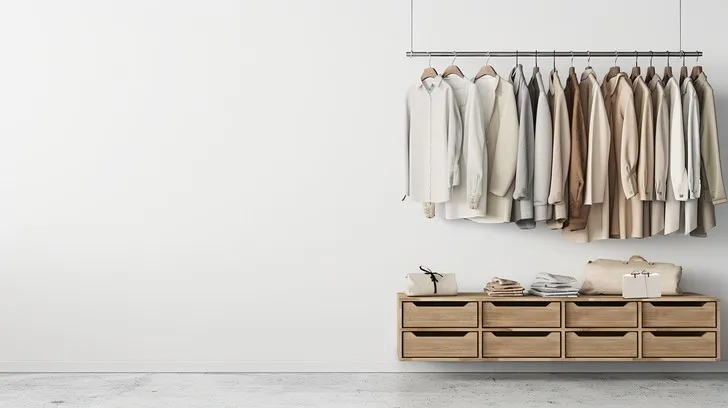
The 'I Read About Quiet Luxury' Person Neutral palette. Structured tote bag. Loafers that suggest old money even though they are solidly new money, or honestly, no money, but these loafers were an investment. Everything is beige, cream, or a color that could be described as 'warm greige.' This person has a podcast they want to tell you about. It's about mindful consumption.
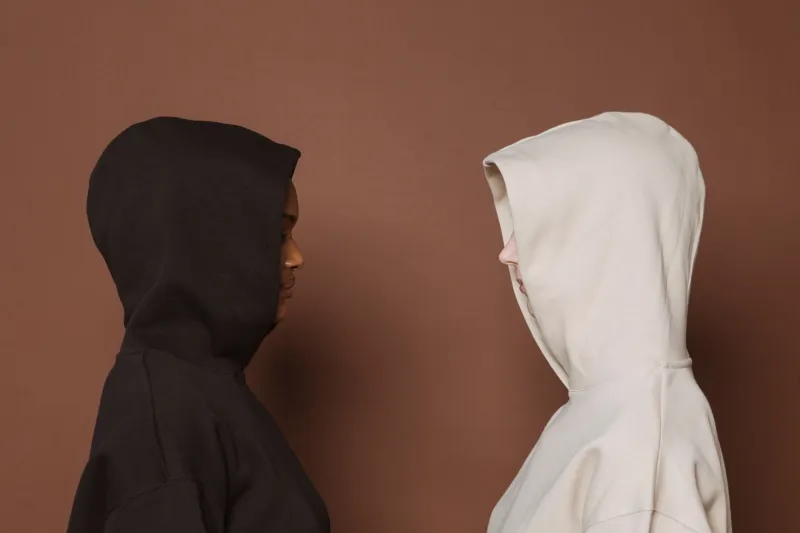
The Chaotic Comfort Maximalist This is the most honest person in the parking lot. Oversized hoodie from a college they may or may not have attended. Leggings. Crocs, possibly. Hair in a bun that achieved its current form through entropy rather than intention. They have a list on their phone. They are here to get things and leave. They are not performing anything, which is, in its own way, a radical fashion statement.
The Tote Bag Industrial Complex
No forensic analysis of the errand outfit is complete without addressing the tote bag — the accessory that has done more cultural heavy lifting than any single item since the baseball cap. The tote bag communicates everything: your reading habits, your grocery politics, your approximate neighborhood, your feelings about fast fashion, whether you've been to a museum in the last eighteen months.
A canvas tote with a bookstore name on it says: I am literate and I want you to know it casually. A tote from a European grocery chain you definitely visited once says: I have been to Europe and I am still processing it. A plain black tote says: I am either extremely minimalist or I bought this at a concert and lost the band tee.
The tote bag is doing so much work. Someone give it a raise.
Why We Do This, Actually
Here's the thing: the errand outfit phenomenon isn't vanity. Well — it's not only vanity. There's something genuinely interesting happening in the cultural space where 'dressing for yourself' and 'dressing to be seen' blur together into something that's a little bit of both and apologizes for neither.
The errand outfit is, at its core, about how we move through public space and what we want that movement to feel like. When your Saturday morning feels intentional — even if the intention is just 'I wanted to wear these pants' — the whole day takes on a different texture. You stand a little differently in the checkout line. You make slightly more confident eye contact with the self-checkout machine before it inevitably fails you.
Is it extra? Absolutely. Is it also kind of wonderful that Americans have collectively decided that a routine grocery run is worth showing up for, aesthetically speaking? We think yes.
Now go get your paper towels. You look great.