The Soft Life Revolution: How America Turned Professional Lounging Into a $200 Hobby
The Soft Life Revolution: How America Turned Professional Lounging Into a $200 Hobby
Remember when staying home in sweatpants was what you did when you'd given up on life? When your rattiest t-shirt and hole-riddled leggings were the uniform of defeat, not empowerment? Well, congratulations — you've officially aged out of understanding modern culture, because now that exact same activity requires a curated wardrobe, a dedicated Instagram aesthetic, and approximately seventeen different types of house slippers.
Welcome to the soft life movement, where doing less has somehow become the ultimate flex, and your ability to professionally lounge has transformed into a personality trait that requires its own shopping budget.
The Soft Life Starter Pack: More Expensive Than Your Car Payment
Let's start with the basics. You can't just decide to embrace the soft life — oh no, that would be far too simple. First, you need the uniform: matching ribbed loungewear sets that somehow cost more than actual going-out clothes. We're talking $120 for a hoodie and sweatpants combo that you'll wear while doing absolutely nothing productive.
Then there are the accessories. Silk scrunchies ($25 each, because regular hair ties are apparently violence against your follicles). Weighted blankets that cost more than your monthly Netflix subscription. Jade rollers, because apparently your face needs a workout even when the rest of you is aggressively avoiding one.
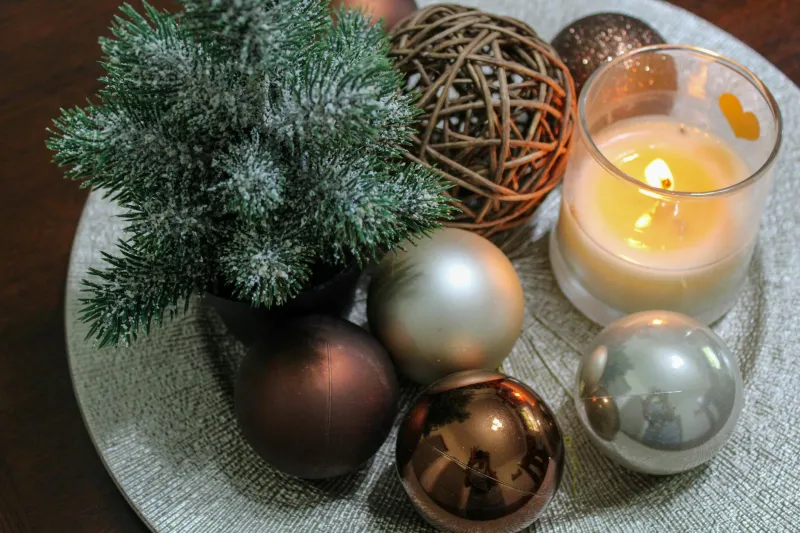
And don't even get started on the candle situation. The soft life requires ambient lighting, which means you're dropping $90 on a single candle that smells like "Sunday Morning" or "Cozy Vibes" — scents that somehow perfectly capture the essence of expensive laziness.
Meet the Soft Life Archetypes Taking Over Your Timeline
The movement has attracted some truly fascinating characters, each bringing their own special brand of performative relaxation to the table.
The Work-From-Home Girlboss has fully committed to the bit. She's got matching sets for every day of the week, color-coordinated coffee mugs, and a home office that looks like a meditation retreat designed by someone who's never actually meditated. She posts daily affirmations about "choosing peace" while simultaneously running three side hustles from her perfectly arranged couch.
The Boundaries Guy discovered the concept of work-life balance sometime around 2023 and has made it everyone else's problem. He owns exactly one pair of joggers (they cost $180) and will tell anyone who'll listen about his "digital sunset" routine. He's the one posting LinkedIn updates about the importance of rest while humble-bragging about his morning routine that somehow takes four hours.
The Silk Sheet Sister has turned bedtime into performance art. She's got silk everything — pillowcases, eye masks, pajamas that cost more than most people's rent. She refers to her bedroom as a "sanctuary" and has strong opinions about thread counts. Her nighttime skincare routine involves more products than a Sephora stockroom.
The Economics of Doing Nothing
Here's where things get truly absurd: the soft life movement has convinced an entire generation that relaxation requires a significant financial investment. Somehow, the act of doing less has spawned an entire industry dedicated to selling us the tools we need to do it properly.
Consider the math. A proper soft life wardrobe — we're talking basics here — runs about $500. Add in the home accessories (candles, diffusers, those weird mushroom lamps everyone's obsessed with), and you're looking at another $300. Factor in the skincare products, the supplements, the specialty teas, and suddenly your commitment to doing nothing has cost you more than most people spend on actual hobbies.
The irony is delicious: in our quest to reject hustle culture, we've created a whole new type of hustle — the hustle of appearing effortlessly relaxed.
When Self-Care Becomes Self-Parody
The soft life movement started with good intentions. After years of grinding, side-hustling, and optimizing every moment of our existence, the idea of intentionally slowing down felt revolutionary. And honestly? It was. The problem is that America has a unique talent for taking any good idea and immediately turning it into a capitalist fever dream.
Somewhere along the way, "I'm going to prioritize rest" became "I'm going to buy my way into serenity." The movement that was supposed to free us from the pressure to constantly achieve has somehow created new pressures — now you need to optimize your relaxation, curate your comfort, and perform your peace.
The Soft Life Reality Check
Look, nobody's saying there's anything wrong with comfortable clothes or taking time to rest. The world is exhausting, and if a $40 face mask helps you feel more human, go for it. But let's be honest about what's happening here: we've turned self-care into another form of conspicuous consumption.
The real soft life isn't about having the perfect loungewear or the most aesthetically pleasing living room. It's about giving yourself permission to exist without constantly producing, achieving, or optimizing. And the beautiful thing about actual rest? It's free.
Your old college sweatshirt works just as well as the $150 cashmere hoodie. Your regular pillowcase won't ruin your hair overnight. And you can absolutely embrace doing nothing without spending everything.
The Plot Twist We're All Ignoring
Here's the thing that nobody wants to admit: most of us are still buying into this whole charade, and we're kind of okay with it. Because even if the soft life movement has become a beautifully packaged consumer trap, there's something genuinely appealing about a culture that celebrates rest instead of grinding yourself into dust.
So yes, we'll pay $30 for a coffee mug that says "Cozy Vibes." We'll buy the matching pajama set even though our old t-shirt was perfectly fine. We'll light the overpriced candle and post the Instagram story and pretend like our carefully curated comfort isn't just another form of performance.
Because sometimes, in a world that never stops moving, even performative relaxation is better than no relaxation at all. And if that's not the most American thing you've ever heard, I don't know what is.