The Crime Scene
Ladies and gentlemen of the jury, we are gathered here today to examine one of the most significant cultural casualties of the 21st century: the mysterious death of business casual. For decades, this dress code ruled American offices with the kind of bland authority that only a polo shirt tucked into khakis could command. Now it lies lifeless in conference rooms across the nation, and frankly, nobody seems that upset about it.
But how did we get here? Who—or what—killed the dress code that defined an entire generation of office workers? And perhaps more importantly: why is everyone acting like they're not secretly relieved?
The Victim: A Brief Biography
Business casual wasn't always the tired, uninspiring dress code we remember. Born in the 1960s as a revolutionary compromise between stuffy formal wear and unprofessional casual clothes, it promised to liberate American workers from the tyranny of daily suit-wearing while still maintaining an air of professional respectability.
For a while, it worked. Business casual gave us permission to lose the tie, swap the blazer for a cardigan, and—revolutionary thought—wear pants that didn't require dry cleaning after every use. It was the Goldilocks of dress codes: not too formal, not too casual, but just right for the cubicle-dwelling masses.
But somewhere along the way, business casual became the fashion equivalent of elevator music—technically present, but utterly forgettable and mildly depressing.
Suspect #1: The Silicon Valley Hoodie Mafia
Our first suspect in this fashion murder mystery is the tech industry, specifically that cabal of hoodie-wearing billionaires who convinced an entire generation that looking like you just rolled out of bed is actually a sign of genius-level focus.
Mark Zuckerberg's gray t-shirt uniform. Steve Jobs' black turtleneck. The parade of tech bros who showed up to congressional hearings looking like they were about to ask their mom for gas money. These people didn't just reject business casual—they actively mocked it, suggesting that anyone who spent time thinking about clothes clearly wasn't thinking hard enough about disrupting industries.
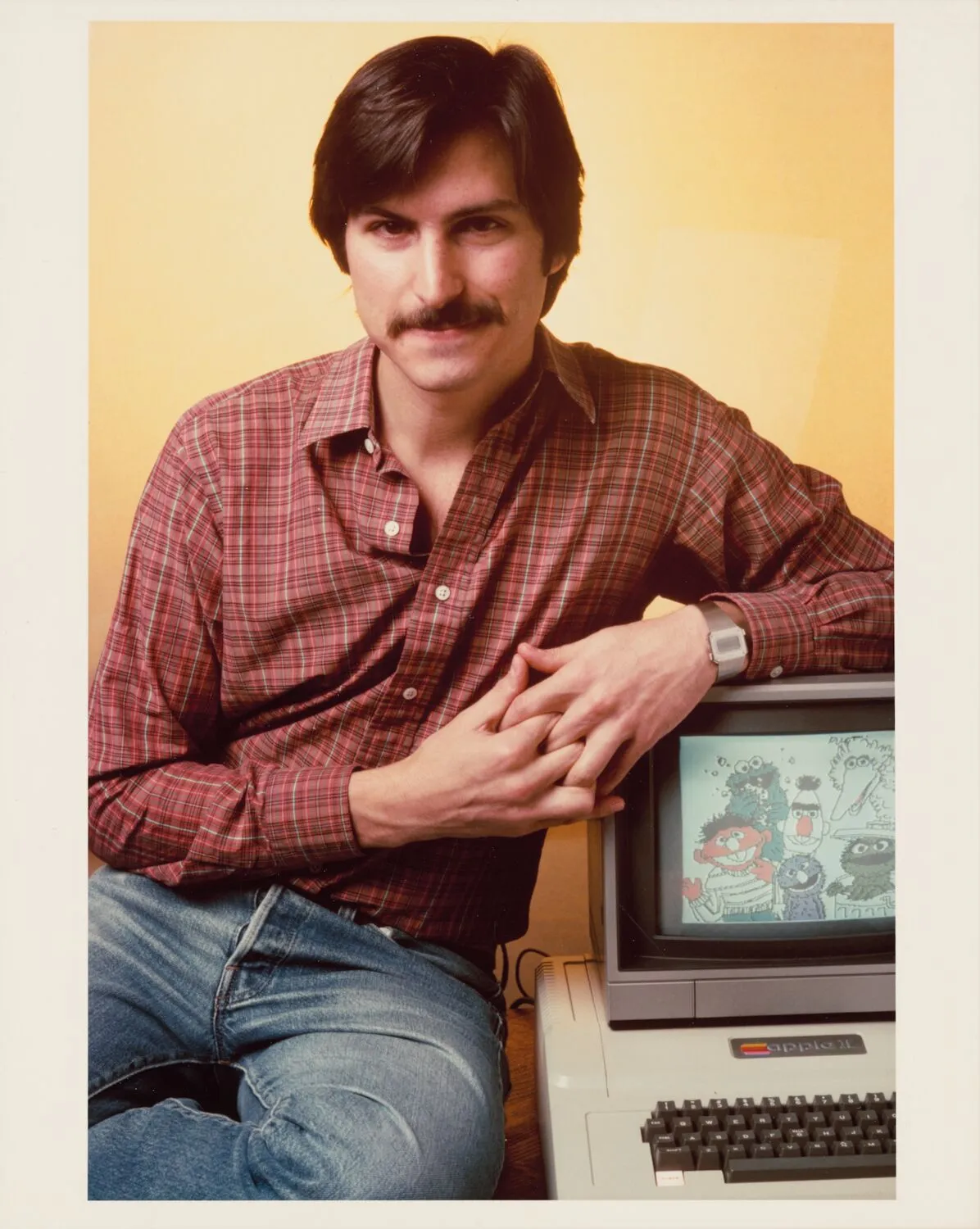 Photo: Steve Jobs, via book.stevejobsarchive.com
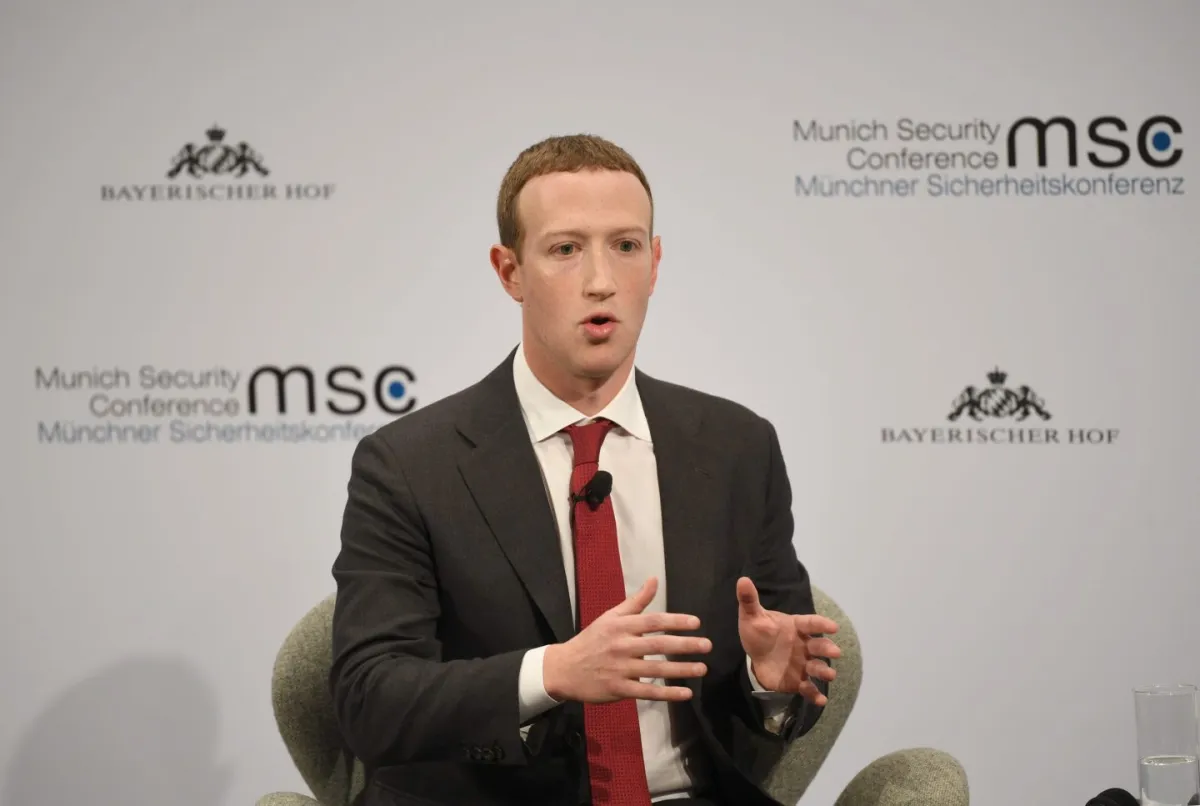 Photo: Mark Zuckerberg, via fortune.com
The message was clear: if you're busy changing the world, you don't have time for matching your belt to your shoes. Real innovators wear hoodies. Real visionaries shop in the boys' section at Target.
And somehow, we all bought it. Literally. Hoodie sales skyrocketed as everyone tried to cosplay as the next tech unicorn founder.
Suspect #2: The Pandemic Sweatpants Syndicate
Then came 2020, and with it, the Great Work-From-Home Experiment that nobody asked for but everybody secretly wanted. Suddenly, millions of Americans discovered what we'd all been suspecting for years: you can, in fact, be productive while wearing pants with an elastic waistband.
The Zoom mullet became our new uniform—business on top, party (or at least comfort) on the bottom. We attended board meetings in blazers and pajama pants, gave presentations in button-downs and slippers, and somehow the world didn't end.
For two years, we lived in sweatpants and called it business attire. We convinced ourselves that comfort equals productivity, that authenticity trumps appearance, and that anyone who missed wearing real pants was probably a corporate shill anyway.
When offices started reopening, the idea of squeezing back into those khakis felt less like returning to normal and more like putting on a costume for a play nobody wanted to be in anymore.
Suspect #3: The Athleisure Assassination Squad
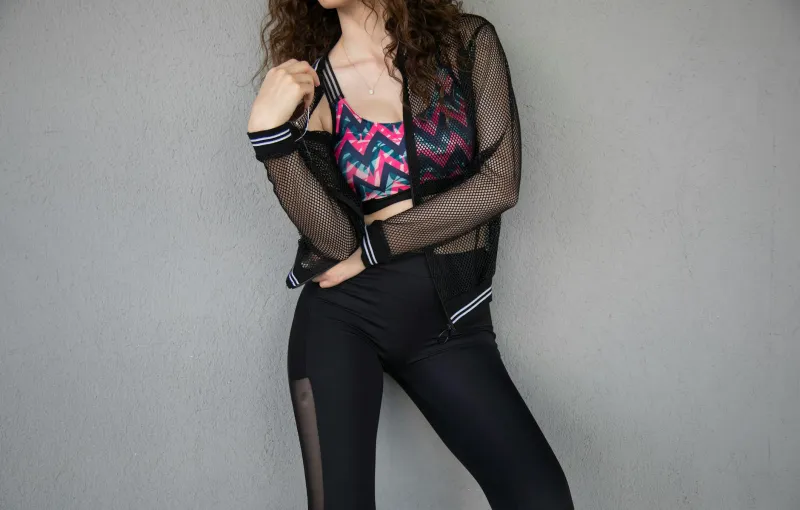
But let's not forget the slow-burn murder that was happening long before the pandemic. Athleisure didn't kill business casual overnight—it slowly poisoned it with the promise of clothes that could transition seamlessly from office to yoga class to weekend brunch.
Why wear separate work clothes when you could wear "performance fabric" that looked professional but felt like pajamas? Why own a work wardrobe and a gym wardrobe when Lululemon promised you could have it all in one overpriced package?
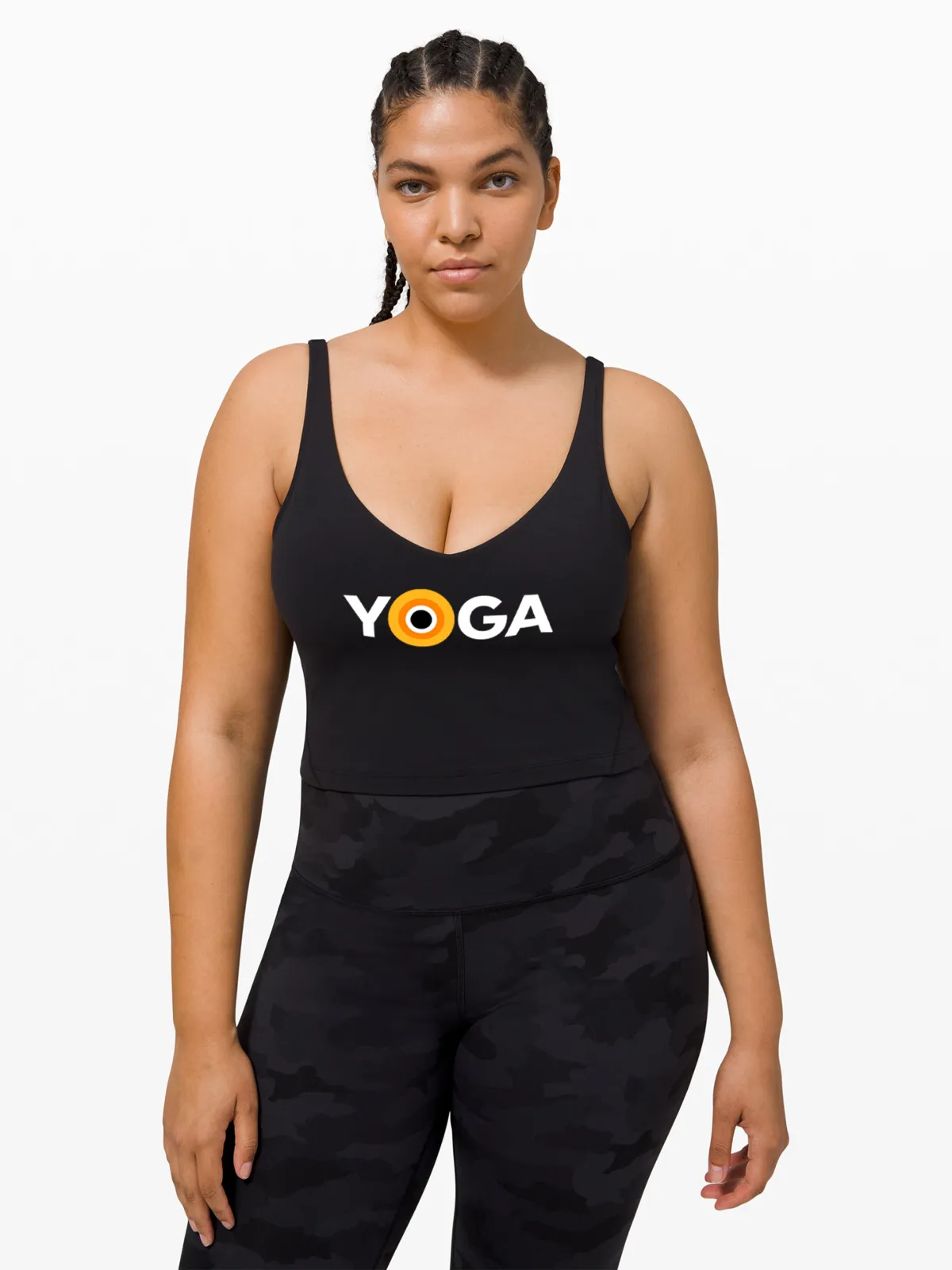 Photo: Lululemon, via shop.corepoweryoga.com
Athleisure convinced us that we deserved to be comfortable at all times, that suffering through uncomfortable clothes was somehow anti-wellness, and that our ancestors who wore suits to baseball games were obviously doing life wrong.
The business casual button-down couldn't compete with moisture-wicking fabric and four-way stretch. Game over.
Suspect #4: The Generation Z Truth Squad
Then there's Gen Z, who looked at business casual and essentially said, "This is stupid and we're not doing it." They entered the workforce with the audacity to suggest that maybe, just maybe, your ability to do spreadsheets isn't directly correlated with your ability to coordinate a belt with your shoes.
Gen Z brought crop tops to the office. They wore sneakers to meetings. They treated dress codes like suggestions rather than commandments, and somehow—shockingly—they still managed to get their work done.
They also had the nerve to point out that many business casual standards were rooted in outdated, often discriminatory norms. Why couldn't men wear shorts when women could wear skirts? Why were natural hairstyles considered "unprofessional"? Why did everyone have to dress like they were auditioning for a mid-level management position at a 1990s insurance company?
These questions didn't have good answers, and everyone knew it.
The Investigation: What Really Happened?
Here's the uncomfortable truth: business casual wasn't murdered—it died of natural causes. Specifically, it died from being boring, impractical, and fundamentally dishonest about what modern work actually looks like.
Business casual promised professionalism but delivered conformity. It promised comfort but required dry cleaning. It promised to bridge the gap between formal and casual but ended up satisfying nobody and annoying everyone.
The real cause of death? Irrelevance. In a world where you can run a billion-dollar company from your kitchen table while wearing dinosaur pajamas, the idea that tucking in your shirt makes you more professional feels quaint at best, delusional at worst.
The Aftermath: Fashion Anarchy
So where does this leave us? Wandering around offices in a lawless style wilderness, apparently. Some companies have gone full casual, embracing the "dress for your day" philosophy. Others are clinging to business casual like it's a life raft in a sea of hoodies and sneakers.
The result is confusion. Nobody knows what to wear anymore. Is this blazer too formal for a Tuesday? Are these jeans too casual for client calls? Can I wear sneakers to a board meeting if they're really expensive sneakers?
We've traded the tyranny of business casual for the anxiety of having to figure it out ourselves, and honestly, some people are not handling it well.
The Verdict
Did we kill business casual? Maybe. But it was more like a mercy killing than a murder. Business casual had been on life support for years, kept alive only by HR policies and the collective fear of having to think about what to wear to work.
The real question isn't who killed business casual—it's whether we want to solve this crime or just let it stay dead. Because the truth is, most of us are secretly relieved. We're happy to trade the beige monotony of khakis and polos for the messy authenticity of figuring out our own work wardrobes.
Sure, it's more complicated now. Yes, we occasionally show up overdressed or underdressed or just dressed wrong for the vibe. But at least we're not all walking around looking like we're about to sell insurance at a golf course.
The Real Mystery
The real mystery isn't what killed business casual—it's why it took us so long to let it die. Maybe we were afraid of the alternative. Maybe we thought professional meant uncomfortable. Maybe we just needed permission to admit that the emperor's new clothes were actually just really boring khakis.
Business casual is dead, and we're all suspects. But for once, maybe being guilty feels pretty good.